
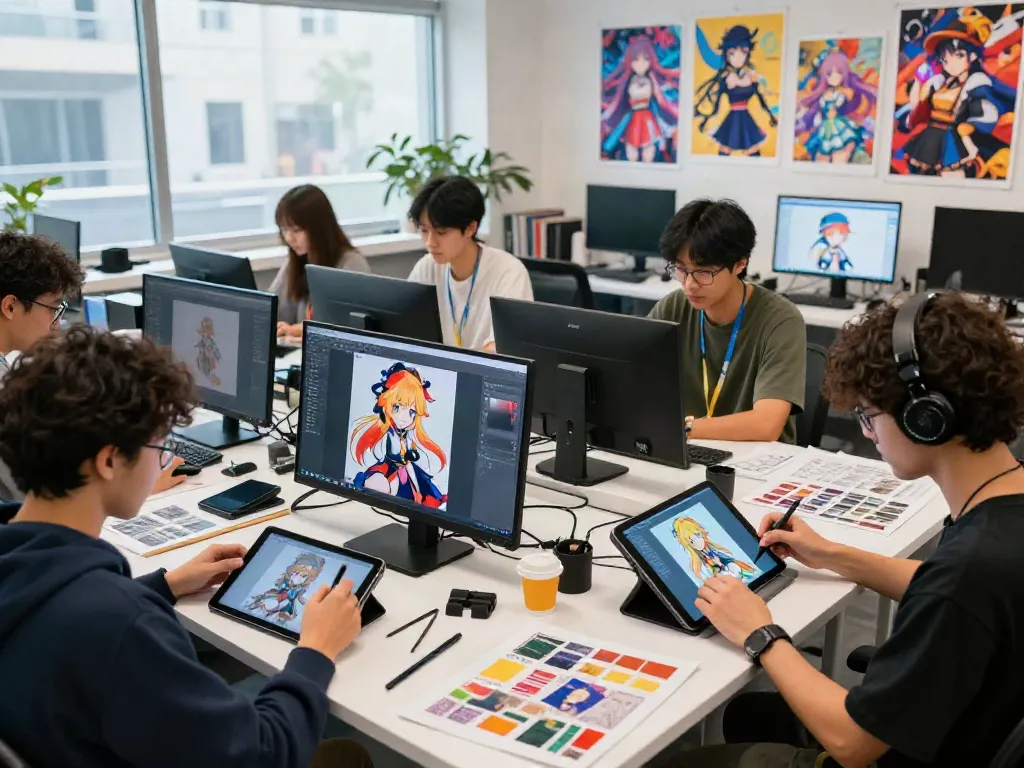
Understanding Futa AI: An Introduction
In recent years, the intersection of artificial intelligence (AI) and digital character design has opened up new avenues for creative expression, especially in niche genres like futanari. Futa AI represents a unique blend of fantasy, technology, and artistry, allowing creators to explore imaginative scenarios with astonishing realism. As the popularity of futanari content continues to rise, it is crucial to understand the fundamental aspects of Futa AI and its implications for the art and entertainment industries. When exploring options, futa ai provides comprehensive insights into this burgeoning field.
What is Futa AI?
Futa AI refers to the use of artificial intelligence to create characters and scenarios within the futanari genre, which typically features characters that possess both male and female physical traits. This technology harnesses machine learning algorithms to generate high-quality images, animations, and even role-play experiences that cater to specific preferences and fantasies. Futa AI enables users to interact with lifelike characters, pushing the boundaries of traditional character design and storytelling.
Historical Background and Evolution
The concept of futanari has its roots in Japanese manga and anime, where characters embody these dual traits. The evolution of AI technology has allowed for more sophisticated representations of these characters, driven by advancements in computer graphics and neural networks. Initially, rudimentary designs gave way to more intricate and detailed models, culminating in the immersive experiences we see today.
The Impact of AI in Character Design
AI has revolutionized character design by allowing creators to automate aspects of the creative process. For futa AI, this means generating diverse characters quickly and efficiently. Techniques such as Generative Adversarial Networks (GANs) have become essential tools in designing characters that closely mimic human features, expressions, and movements. This technology enhances the storytelling experience, enabling richer narratives and emotional connections with characters.
Challenges Faced in Futa AI Design
As exciting as the potential for futa AI may be, several challenges arise in its design and implementation. These obstacles must be addressed to ensure that creators can fully harness the benefits of this innovative technology.
Common Misconceptions about Futa AI
One prevalent misconception is that AI-generated characters lack depth and personality. However, with advancements in natural language processing and machine learning, AI can create characters that exhibit complex traits and emotional responses, enriching the interaction experience. Educating users and creators about these capabilities is essential for overcoming skepticism surrounding AI-generated content.
Technical Obstacles in AI Art Generation
Generating high-quality visuals often requires significant computational power and access to extensive datasets for training AI models. Creators may face hurdles related to hardware limitations or lack of access to advanced AI tools. Moreover, fine-tuning these models to align with specific artistic visions can be a time-consuming process that demands both technical skills and creativity.
Addressing Ethical Concerns
The power of AI in creating character art also raises ethical questions regarding ownership and copyright. Determining the rights of creators working with AI-generated artworks, especially in the adult industry, is crucial. Guidelines and regulations need to be established to protect the interest of both artists and consumers, ensuring a fair landscape for all parties involved.
Best Practices for Creating Futa AI Characters
Successfully crafting engaging futa AI characters necessitates a thoughtful approach that balances technology with creativity. Here are some best practices to guide creators.
Leveraging AI Tools and Software
Familiarity with cutting-edge AI tools is essential for creating compelling futa AI characters. Software like Daz 3D, Unreal Engine, and various AI image-generators can streamline the design process, enhancing the quality and realism of characters. Experimenting with these tools can yield surprising results and inspire new creative directions.
Techniques for Customization and Creativity
Customization is vital for bringing uniqueness to AI-generated characters. Combining different elements, styles, and attributes can result in original designs. Creators should explore various artistic influences, allowing for the merging of aesthetics to tailor characters that resonate with audiences.
Balancing Realism and Fantasy
While realism in AI-generated characters can enhance immersion, it is equally important to remember the fantastical nature of the futanari genre. Striking the right balance between realism and fantasy will keep the content appealing and engaging, encouraging users to explore their imaginations while interacting with the characters.
Practical Applications of Futa AI in Art and Media
Futa AI characters have practical applications across various sectors, from gaming to marketing. Here are a few notable uses.
Marketing and Merchandising Futa AI Creations
The commercial potential of futa AI is enormous, as businesses can leverage AI-generated characters in promotional campaigns, merchandise, and visual content. By incorporating these characters into branding strategies, companies can engage niche audiences and foster loyalty among fans of the futanari genre.
Using Futa AI in Storytelling and Roleplay
Futa AI significantly enhances storytelling and roleplay experiences. By creating dynamic characters that respond to user inputs, developers can craft interactive narratives filled with intrigue and adventure. This allows for a personalized storytelling experience that keeps users engaged and invested in the outcomes.
Case Studies of Successful Futa AI Projects
Several projects have successfully harnessed the potential of futa AI. For instance, Futa World has created an online platform offering immersive roleplay experiences featuring AI-generated characters, captivating users with its depth and narrative complexity. Other examples include independent creators who utilize platforms like Patreon to share their AI-generated designs and stories, cultivating communities around their work.
Future of Futa AI: Trends and Predictions for 2026
As technology continues to evolve, the landscape of futa AI is poised for substantial changes in the next few years. Here are some emerging trends to watch.
Emerging Technologies in AI Art
Advancements in machine learning, particularly in deep learning algorithms, are expected to improve the quality and consistency of AI-generated art. With tools becoming more user-friendly, creators of all skill levels will be able to craft high-quality futa AI characters without extensive technical knowledge.
Predicted Changes in Audience Engagement
As futa AI becomes more mainstream, audience engagement will evolve. Expect to see increased interactivity, where users can not only consume content but also influence character development and storylines, creating a more collaborative creative process that enriches the experience.
Long-term Implications for the Art Industry
The integration of AI into character design may lead to fundamental shifts within the art industry. Traditional artists might find new opportunities for collaboration with AI, blending human creativity with machine learning capabilities for innovative designs. However, it may also spark debates regarding the value of human artistry versus automated creations, necessitating ongoing discussions about the role of artists in a tech-driven landscape.
What are the key tools for Futa AI design?
Futa AI design relies on various software tools like AI image generators, 3D modeling software, and animation engines. Familiarity with platforms such as Blender, Daz 3D, and Unreal Engine can enhance the quality and creativity of character design.
How can I ensure ethical use of Futa AI?
To promote ethical practices, creators should familiarize themselves with copyright laws, obtain proper licenses for any assets used, and establish clear user guidelines that respect audience preferences and consent.
What skills are needed to work with Futa AI?
Working with Futa AI requires a blend of artistic talent and technical proficiency. Skills in 3D modeling, understanding of AI algorithms, and storytelling can significantly enhance character development and interaction quality.
How does Futa AI differ from traditional character design?
Unlike traditional character design that often relies on manual artistry, Futa AI utilizes machine learning to generate characters dynamically. This allows for more rapid iteration and experimentation, enabling creators to explore new concepts quickly.
What are the legal considerations for Futa AI content?
Legal considerations in Futa AI content include copyright, intellectual property rights, and user consent. Both creators and consumers should be aware of boundary lines to avoid legal complications and ensure fair use of AI-generated materials.